
Posted by Chalyce Macoskey on 13th Oct 2025
Vagus Nerve Reset: How to Calm the Chaos and Restore Gut & Emotional Balance
When your digestion feels off or your mood dips for no clear reason, your vagus nerve may be asking for attention.
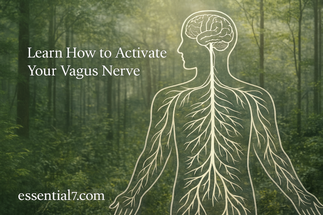
The vagus nerve is the main communication highway between your brain and your digestive system. When it becomes overstimulated, strained, or sluggish, the effects show up quickly: gut discomfort, emotional overwhelm, rapid heartbeat, nausea, poor digestion, and difficulty settling the nervous system.
During the holiday season, stress, irregular meals, and emotional intensity make vagus nerve support even more important. Understanding how to calm this system can make a noticeable difference in how your gut and emotions respond.
This guide explains what the vagus nerve does, how it becomes dysregulated, and the tools you can use to reset and restore balance gently and naturally.
What the Vagus Nerve Does and Why It Matters
The vagus nerve forms the foundation of the parasympathetic system, the part responsible for rest, digestion, and emotional regulation. When this nerve is functioning well, it helps:
-
steady your heart rate
-
support digestion
-
regulate breathing
-
calm the emotional centers of the brain
-
shift the body from fight-or-flight into rest-and-repair
When vagus nerve signaling becomes disrupted, the body struggles to return to a calm baseline. This often shows up as:
-
digestive discomfort
-
nausea
-
bloating
-
emotional reactivity
-
brain fog
-
poor stress tolerance
-
disrupted appetite
Strengthening vagal tone—your vagus nerve’s responsiveness—can change the entire mind–gut connection.
Signs Your Vagus Nerve Needs Support
Many people do not realize a stressed vagus nerve is involved in their symptoms. Signs include:
-
difficulty calming down after stress
-
tight chest or shallow breathing
-
nausea without a clear cause
-
digestive slowdown after emotional stress
-
sensitivity to noise or stimulation
-
increased anxiety during the holidays
-
fatigue or heaviness behind the eyes
-
poor appetite or early fullness
These symptoms are often described as “gut chaos” or “nervous stomach,” especially during busy seasons.
What Disrupts the Vagus Nerve
The vagus nerve is sensitive to emotional, physical, and environmental stressors. Common triggers include:
-
emotional overload
-
grief or ongoing stress
-
lack of quality sleep
-
blood sugar fluctuations
-
overeating or skipping meals
-
inflammation
-
fast breathing
-
cold exposure without proper regulation
-
holiday stimulation and social overwhelm
This is why seasonal transitions, travel, large meals, and emotional events often produce a gut–emotion flare.
When Gut Symptoms and Emotions Flare Together
If you notice that:
-
Stressful days reliably turn into digestive flare-ups
-
Grief, conflict, or worry sit in your gut
-
Your stomach tightens before social events or meals
you are not imagining it. The vagus nerve is part of why emotional experiences show up in the digestive system.
For more seasonal support on this connection, you can also read my blog on navigating digestion and emotions around the holidays: Holiday Digestion Survival: Calm Your Gut, Embrace the Season
How to Reset the Vagus Nerve Naturally
The goal is to slow the system down, restore breath, activate the parasympathetic state, and support the gut–emotional circuit.
Below are simple, gentle vagus-friendly tools you can use daily.
1.Bee Breath: A Simple Vagus Nerve Practice
One of my favorite practices for the vagus nerve is the Bee Breath (Bhramari), a gentle technique from yoga traditions that uses sound and vibration to calm the nervous system.
The humming sound naturally sends subtle vibrations through the chest, throat, and sinuses. Many people experience this like an internal “massage” for the nervous system.
How to Practice Bee Breath
-
Sit tall with your feet on the floor or comfortably on a cushion. Relax your shoulders and jaw.
-
Inhale softly through your nose.
-
On the exhale, create a low, steady humming sound, like a calm bee. Lips stay closed; jaw stays relaxed.
-
Notice the vibration in your chest, throat, and face.
-
Repeat for 5–7 rounds at a comfortable pace.
This practice can be used:
-
Before meals, to help the body shift into “rest and digest”
-
Before bed, to settle a racing mind
-
During the day, when you feel an anxiety spike or emotional overload
For many, even a few minutes of Bee Breath begins to soften both gut tension and emotional noise.
2. Light Pressure and Touch
Gentle, intentional touch can signal safety to the vagus nerve.
Useful areas include:
-
the space behind the ears
-
along the side of the neck
-
the sternum
-
the upper abdomen
Purposeful touch helps calm the emotional centers and digestion simultaneously.
3. Aromatherapy for Nervous System Regulation
Essential oils have long been used to support the limbic system, which communicates directly with the vagus nerve. Certain extracts help ease emotional tension, settle digestive discomfort, and support parasympathetic activation.
Recommended blends for vagus-focused support:
Relax & Release
Supports emotional grounding and calming of the fight-or-flight response.
Gastro Blend
Gentle support for post-stress digestive discomfort and nausea.
Kate’s Happy Tummy
Useful during nervous stomach episodes or when digestion becomes sluggish.
Winter Essence
A seasonal blend that encourages deep breathing and emotional steadiness, especially during high-stress periods.
These blends can be applied to the wrists or feet or used through inhalation.
4. Warmth and Regulation
Warm packs or a warm hand placed over the upper abdomen can promote vagal relaxation. Warmth signals safety to the body and is effective during emotional intensity or digestive tension.
5. Grounding and Slow Rhythmic Movement
Gentle, steady movement resets vagal tone more effectively than intense exercise.
Short options include:
-
a slow 5-minute walk
-
shoulder rolls
-
gentle stretching
-
standing sway exercises
The body interprets rhythmic movement as safety.
6. Nervous System Support
Go Deeper: Vagus Nerve Reset Class
If you are ready for more guided support, my Vagus Nerve Reset class inside the Wellness Wisdom Sanctuary explores:
-
How the vagus nerve influences digestion, mood, and resilience
-
Simple practices you can do at home
-
How to integrate essential oils in a low-dose, homeopathic-style way
-
Gentle tools for sensitive or complex health histories
You’ll receive guided practices, essential oil ideas, and a printable ritual guide to help you build your own reset routine.
Finding Calm in Seasonal Shifts
You may use code gutcalm for a 20% seasonal discount.
If you’re looking for simple, practical ways to apply this, you may find the Power of Yoga, Breath & Relaxation mini guide helpful as a gentle companion resource.
Where to Begin This Week
If this topic is speaking to you, start with one or two simple steps:
-
Choose a blend to anchor your routine: Courage, Relax & Release, Gastro, or Miss Kate’s Happy Tummy.
-
Practice Bee Breath once a day, even for two minutes.
-
Use your evening reset ritual three nights in a row and notice what shifts.
Your vagus nerve responds best to consistency, not intensity. A few mindful minutes, repeated often, can do more than occasional “big” efforts.
You do not have to force your body into calm. You can invite it there, one simple, steady signal at a time.