
Posted by Chalyce Macoskey on 15th Sep 2023
Potential Uses & Supportive Applications of Turmeric Essential Oil
Turmeric Essential Oil: Benefits, Uses & How to Apply It Safely
Update note: This guide reflects our current Essential7 safety standards and topical-only approach to essential oils.
Turmeric has long been valued as both a culinary spice and a healing herb. As an essential oil, its golden-rhizome origin offers a warm, grounding aroma and a versatile range of supportive uses — from skin and body comfort to aromatic emotional balance.
This guide provides a clear overview of turmeric essential oil, its benefits, and how to use it safely using a clean, practical approach.
What Is Turmeric Essential Oil?
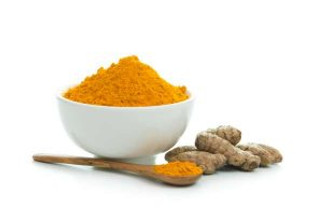
Turmeric (Curcuma longa) comes from the rhizome of a tropical plant in the ginger family. While many people know turmeric as the bright yellow spice used in cooking, the essential oil is created through steam distillation of the dried rhizomes.
The resulting oil contains aromatic compounds such as turmerones, which differ from powdered turmeric’s curcumin. These components give turmeric essential oil its characteristic scent and its supportive topical and aromatic qualities.
For those seeking clean, high-quality options, Essential7 offers:
-
Organic Turmeric Essential Oil
https://essential7.com/products/organic-turmeric-essential-oil.html -
Sustainable Turmeric Blend
https://essential7.com/products/sustainable-turmeric-blend.html
Both provide a natural, warm, earthy aroma ideal for daily wellness routines.
Potential Benefits & Uses of Turmeric Essential Oil
Aromatic Support for Mood & Emotional Balance
Turmeric essential oil offers a grounding aroma that may help soothe the mind, support emotional steadiness, and create a sense of inner calm.
It blends beautifully with warm, woodsy, spicy, and soft citrus tones.
Many people enjoy diffusing turmeric oil during evening wind-down routines or when seeking a more centered emotional state.
Related reading: If you’re exploring turmeric support in a more targeted way, you may also like our newer guide on turmeric and hormone support here
Body, Muscle & Joint Comfort
Turmeric essential oil is commonly added to massage blends (properly diluted) to support areas of tightness, tension, or discomfort.
Its warming qualities make it a supportive companion after physical activity or long days on your feet.
The Essential7 Sustainable Turmeric Blend offers an eco-conscious, ready-to-use option designed to be both gentle and effective.
Skin & Scalp Support
When properly diluted, turmeric essential oil may help support:
-
Skin clarity
-
Scalp balance
-
Mild irritation
-
Areas needing comfort or soothing
Because turmeric is potent, always dilute well and patch test before applying to sensitive areas.
Aromatherapy & Home Use
Turmeric essential oil adds warmth and depth to diffuser blends and room sprays.
Its grounding scent is especially comforting during cooler seasons or emotionally stressful times.
Popular pairings include ginger, patchouli, lavender, frankincense, and soft citrus oils.
How to Use Turmeric Essential Oil Safely
Turmeric essential oil is highly concentrated. For safe use:
-
Always dilute in a carrier oil before applying topically.
-
Patch test diluted mixtures on a small area of skin before wider application.
-
Avoid contact with eyes, inner nose, mouth, and sensitive or broken skin.
-
Store in a cool, dark place away from children and heat.
-
Consult a qualified practitioner if pregnant, nursing, or managing a medical condition.
Never ingest essential oils.
Simple Ways to Add Turmeric Essential Oil to Your Routine
Quick ways many people use turmeric essential oil:
– Evening grounding (diffuser or aromatic routine)
– Post-activity body comfort (properly diluted massage blend)
– Seasonal “cozy home” support (warm diffuser blends)
| Supportive Use | How to Apply |
|---|---|
| Evening Calm | Diffuse 2–3 drops for a warm, grounding aromatic environment. |
| Body or Joint Support | Dilute 3–5 drops in 1 tablespoon of carrier oil; massage gently over areas of tension. |
| Skin Care | Blend 1 drop with 1 teaspoon carrier oil; apply to small skin areas needing support (patch test first). |
| Scalp Ritual | Add 1–2 drops to a carrier oil; massage into scalp before shampooing. |
| Cozy Home Aroma | Blend with ginger, citrus, or woods in a diffuser for a comforting seasonal scent. |
Important Considerations
Turmeric essential oil is a supportive tool — not a replacement for medical care.
Avoid use if irritation occurs. Those with chronic conditions should consult a healthcare professional before using essential oils, especially topically.
Explore Essential7 Turmeric Oils
If you’d like to incorporate turmeric into your wellness routine, Essential7 provides two trusted options:
-
Organic Turmeric Essential Oil — pure, potent, and ideal for blending
https://essential7.com/products/organic-turmeric-essential-oil.html -
Sustainable Turmeric Blend — eco-conscious, ready-to-use aromatic support
https://essential7.com/products/sustainable-turmeric-blend.html
Both can be used safely within your existing essential-oil routines when properly diluted and respected for their potency.
Last updated: January 2026
CONTRAINDICATIONS FOR TURMERIC OIL
As per NAHA guidelines, Essential7 (E7) does not recommend the ingestion of Essential Oils. It is imperative to consult a medical practitioner before using this oil for therapeutic purposes. Pregnant and nursing women are especially advised not to use Turmeric Essential Oil without the medical advice of a physician, as it may have an effect on certain hormone secretions, and it is unclear whether these effects are transferable to babies at these stages of development. The oil should always be stored in an area that is inaccessible to children, especially those under the age of 7.
Those with the following health conditions are recommended to be advised by a physician: cancer, heart-related ailments, skin disorders, hormone-related ailments, or epilepsy. Individuals that are taking prescription drugs, undergoing major surgery, or who are at a greater risk of experiencing strokes, heart attacks, or atherosclerosis are also advised to seek medical consultation prior to use.
Prior to using this oil, a skin test is recommended. This can be done by diluting 1 drop of the Essential Oil in 4 drops of a Carrier Oil and applying a dime-size amount of this blend to a small area of skin that is not sensitive. Individuals with fair or pale skin could potentially experience staining on the skin. Turmeric Oil must never be used near the eyes, inner nose, and ears, or on any other particularly sensitive areas of skin. Potential side effects of Turmeric Essential Oil include irritation, dizziness, nausea, stomach upset, and diarrhea.
Those seeking medical care to manage moods, behaviors, or disorders should treat this essential oil as a complementary remedy rather than a replacement for any medicinal treatments or prescriptions. In the event of an allergic reaction, discontinue use of the product and see a doctor, pharmacist, or allergist immediately for a health assessment and appropriate remedial action. Individuals with spice allergies should not apply Turmeric Essential Oil topically. To prevent side effects, consult with a medical professional prior to use.